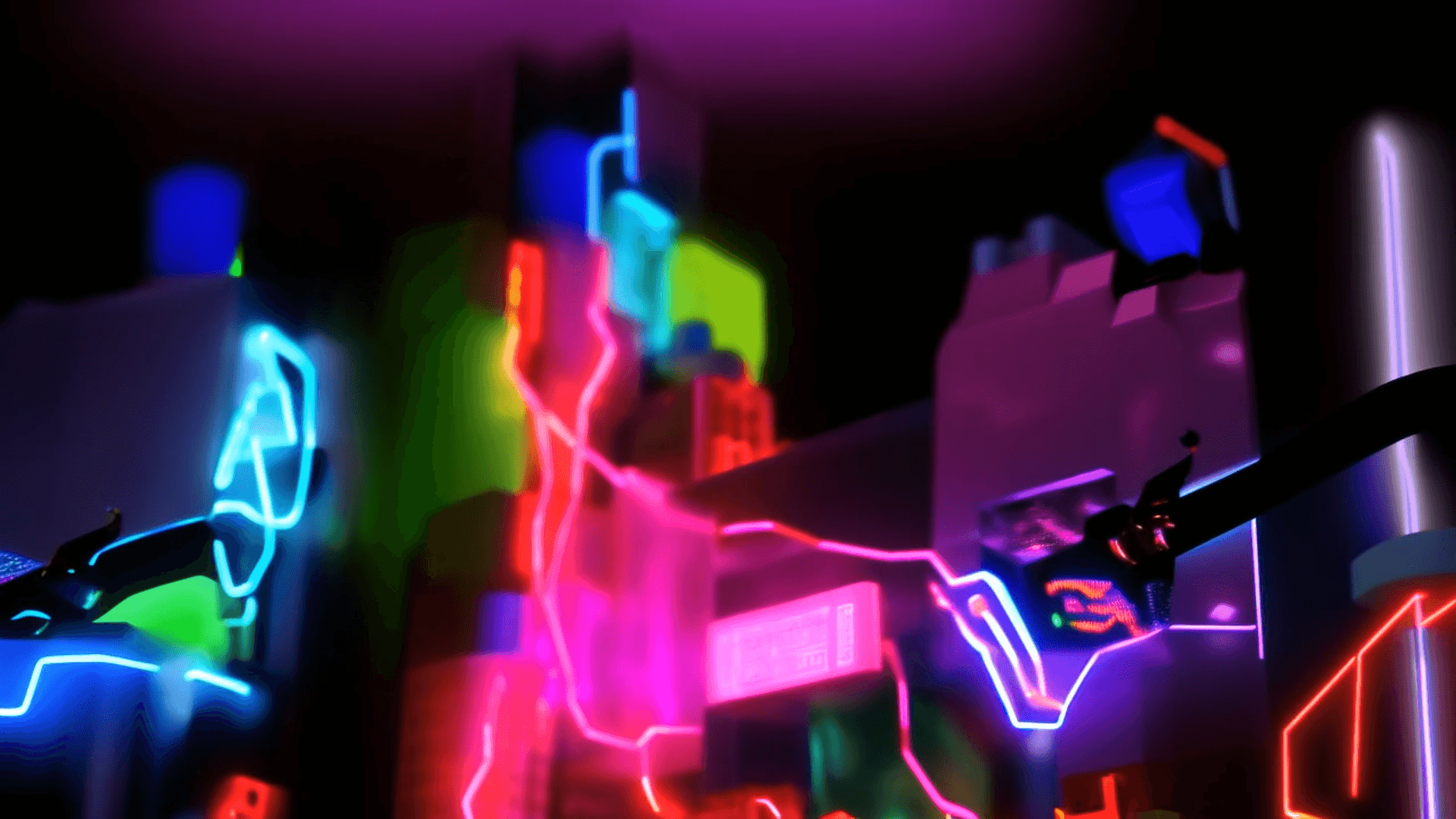
Machines in the Garden
Five audiovisual works
Machines in the Garden is a collection of five interconnected audiovisual works made over several years and brought together as a single body of work.
The series looks at what happens to images, sounds, rituals and symbols when they pass through technological systems: cameras, codecs, platforms, AI generation, algorithms, archives and screens. Across the works, meaning is not destroyed by these systems - rather, it changes shape. It becomes compressed, repeated, distorted, detached from its original setting, and sometimes strangely intensified.
The works move through sacred imagery, lockdown-era tension, the tension between the synthetic and the natural, attention and accelerated culture. They are connected less by a single story than by a shared atmosphere: a world in which human symbols continue to matter, even when they are filtered through machines.
Rather than treating technology as either salvation or disaster, the collection sits in the restless space between the two. It is about belief, attention, ritual, memory and noise - and about the strange persistence of meaning in a mediated world.
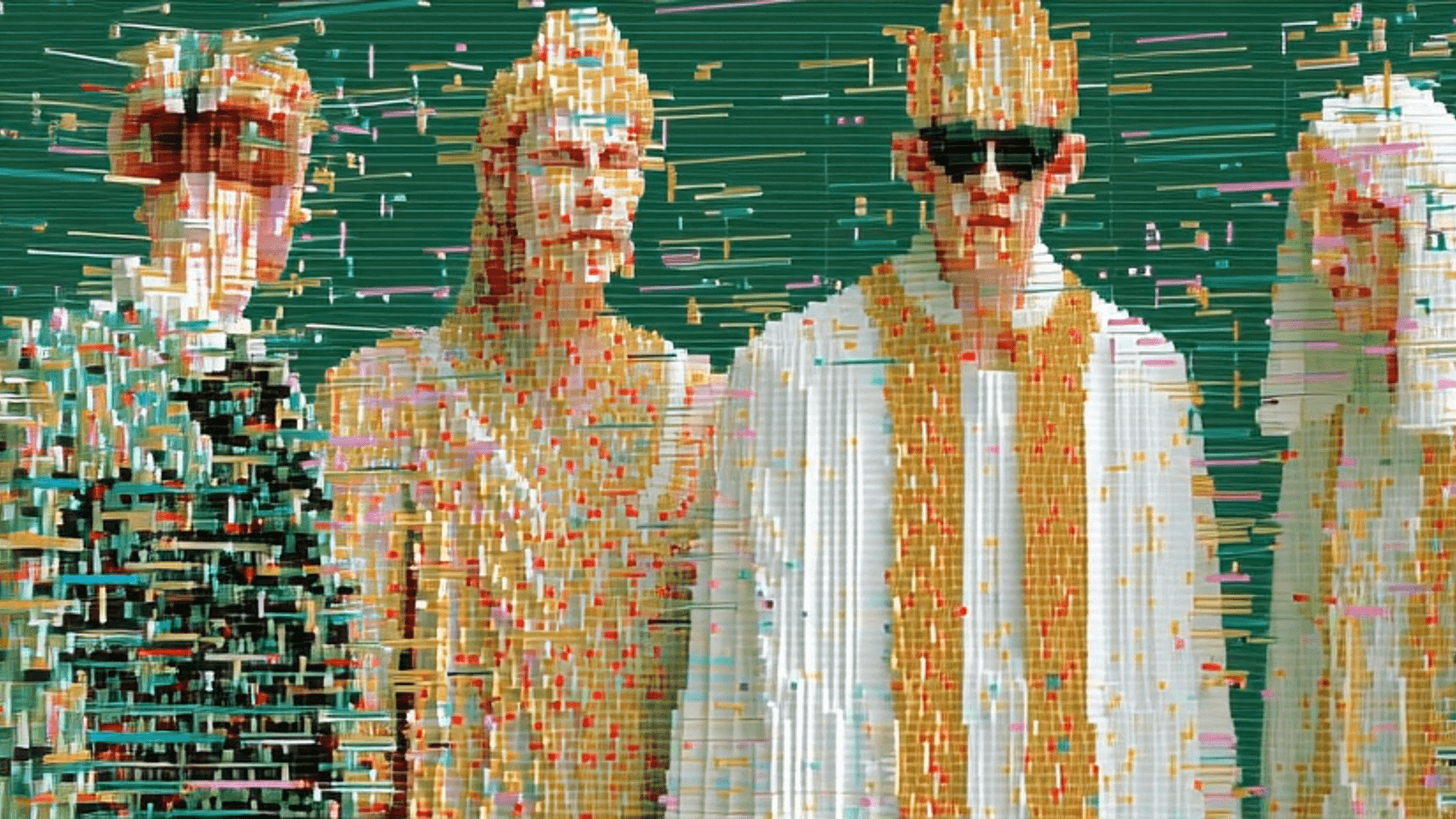
Lossy Gods
Works with religious imagery, an original orchestral work, and repeated acts of technological transformation.
Images and sounds are written, programmed, generated, rendered, copied, compressed and re-formed until they begin to lose their original clarity. But the ritual does not disappear. The symbols keep returning, even as they become blurred, degraded, amplified to the point of distortion or detached from their source.
The work is about the strange afterlife of sacred material in a symbolically hypersaturated world - where meaning becomes overexposed and begins to lose fidelity.
The Eve of Lockdown
Made from footage recorded on the eve of South Africa’s first Covid lockdown. Streets, buildings, traffic and public space continue as normal, but the atmosphere has already begun to shift. Time feels compressed. Movement and moments feel more fragile.
The music holds this tension through long, unstable chord changes, saturated synths and distorted rhythmic fragments. A steady pulse is continually disrupted by chaotic breaks, drifting tempo and stray percussion - a system struggling to hold itself together.
Covid is not treated as the cause of the rupture, but as a pressure event that reveals how strained, managed and compromised the idea of freedom has already become.
Machine in the Garden
Explores the tension between the synthetic and the natural.
The music begins with a harmonically rich progression built from sustained sawtooth and noise-based synth textures, over which an improvised simulated saxophone line gradually unfolds. Alongside this, a field recording of a jungle introduces another kind of environment: organic, dense and alive. As the work develops, the chords and melody build toward a tense crescendo.
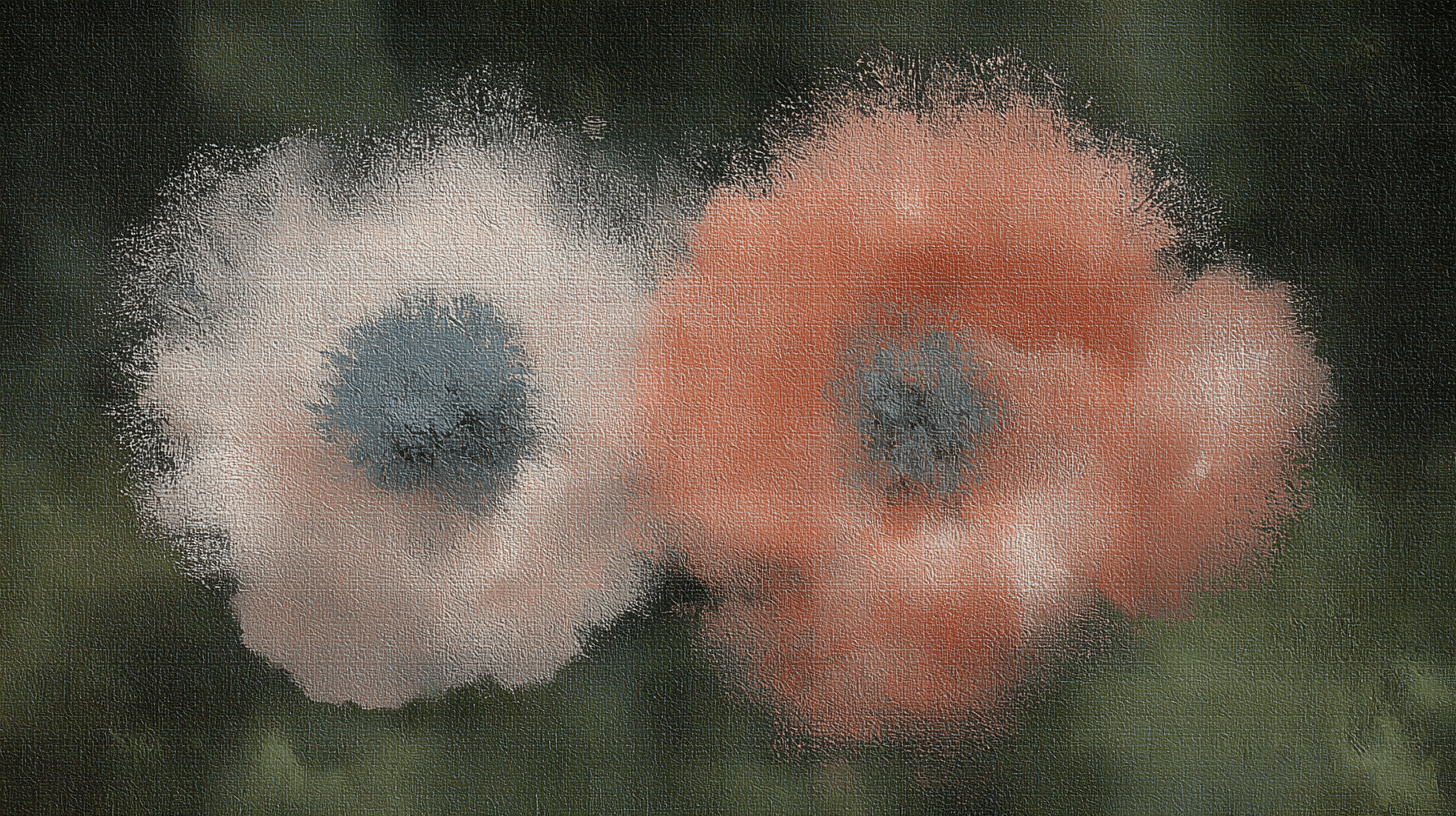
The visuals draw on the early, more static phase of AI image animation. Using the simple prompt “flowers,” the system generates a sequence of floral images that shift from one to the next with a crude, almost stop-motion motion. Into this process are folded references to famous artists and artworks, producing strange machine-impressions of familiar styles: flowers as if filtered through Pollock, Basquiat or Klimt.
The result is hypnotic, uncanny and faintly comic. Natural forms are reimagined through synthetic vision, while art history itself becomes another garden for the machine to get lost in.
Latent Domain
Built around a recording of a Johannesburg thunderstorm.
The music is a slow synth piece made from open, stacked fifths, with an improvised melody drifting across the surface. The sound is shaped by the storm itself: thunderclaps trigger a compressor, causing the music to dip and recover in response.
As the work develops, the audible thunder is gradually removed, but its effect remains. The music continues to move around an absent force, leaving a negative impression of the storm.
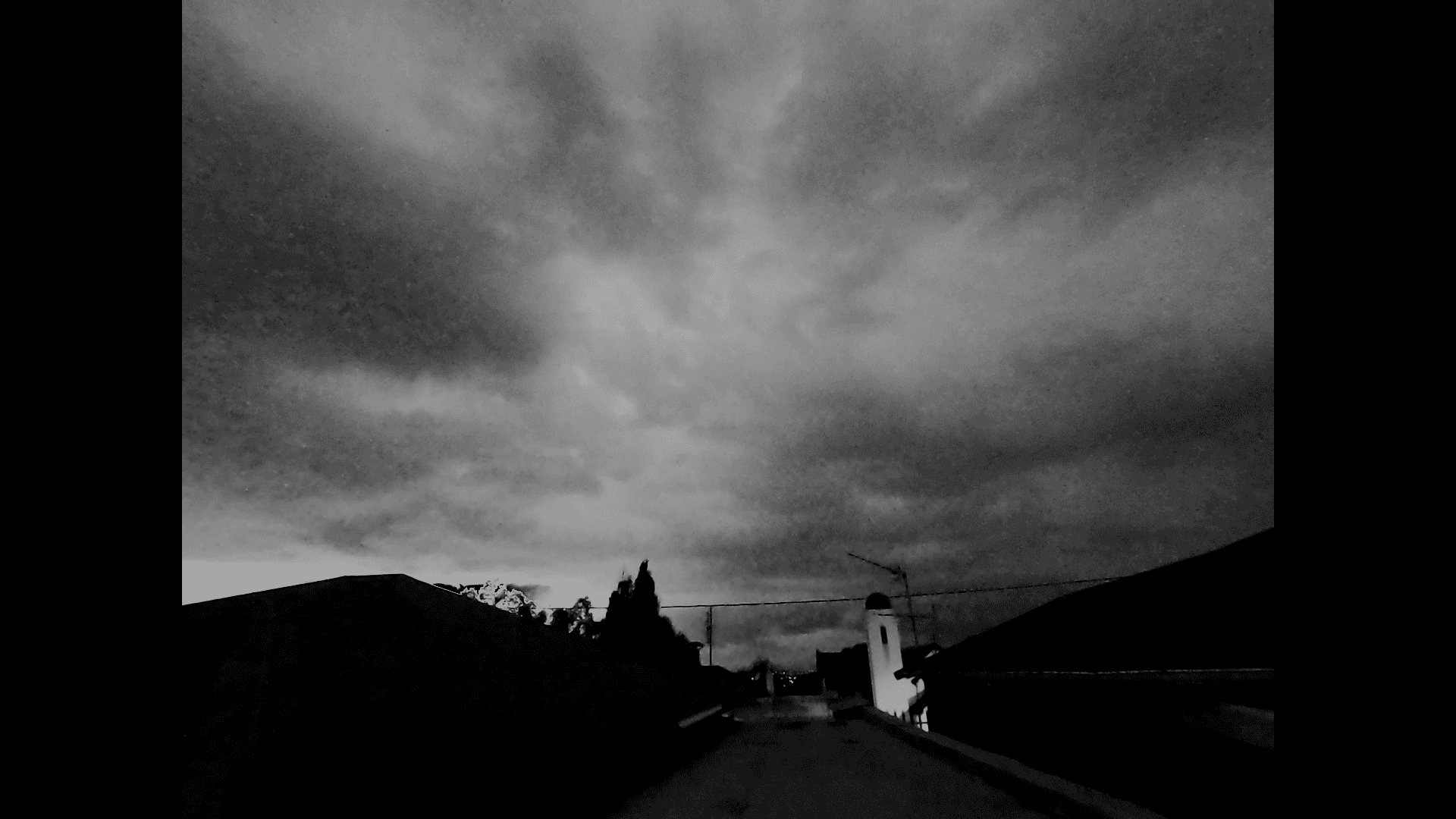
Visually, the work looks out from the roof of a Brixton studio toward a small Greek Orthodox church, while the Brixton Tower sits just out of frame - another structure built for sending and receiving signals. The piece sits between atmosphere and transmission, presence and absence, signal and noise.
Ain't Got Time For That
Began with a phrase entered into an AI music system: “Ain’t got time for that.” The line came back in multiple styles - jazz, country, ska, hip hop, metal, opera, house - each one turning the same idea into a new performance.
These fragments are cut into a fast, crushing electronic piece of my own, built from layered kicks, unstable rhythms and chaotic interruptions. Bursts of music alternate with distant official voices, field recordings and clipped AI vocals (which are left relatively clear, allowing the repeated phrase to cut through the noise).
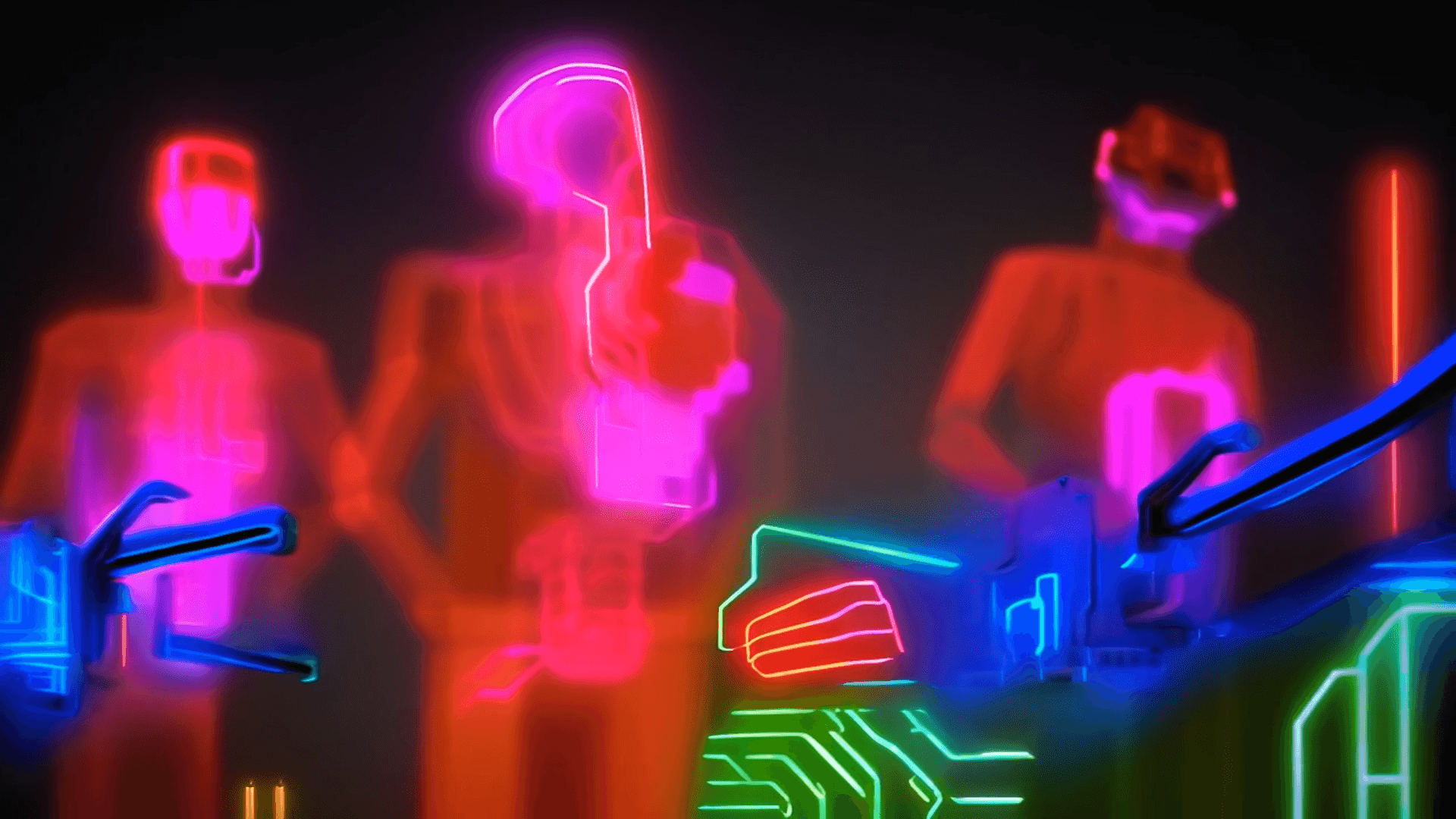
The visuals follow the same pattern. AI-generated singers attempt to lip-sync the phrase, their faces full of glitches and artefacts, before being fed back into image systems under unrelated prompts like machines and circuit boards. Style mutates, identity slips, and the whole piece begins to feel both comic and exhausted.
The work is about speed, distraction and creative time under pressure - and about the strange sadness of having access to endless generative output while feeling less and less able to make.